
Surgical Diathermy
About the Product
The Surgical Diathermy is a vital medical device used in the operating room to coagulate tissue, cut through tissue, or control bleeding during surgical procedures. By using high-frequency electrical currents, it generates heat to target specific tissue areas, providing precision, control, and minimal damage to surrounding tissue. This technology is widely used across various specialties, including general surgery, orthopedics, gynecology, and neurosurgery, enhancing the efficiency and safety of surgeries.
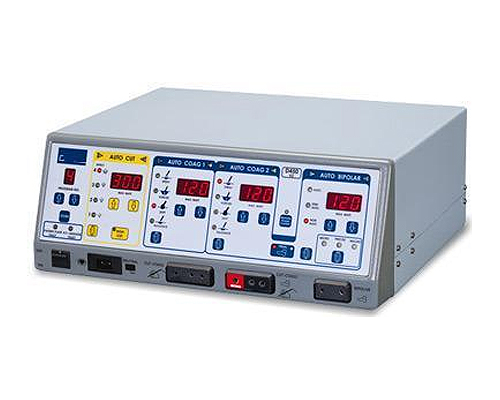
Features:
- Precise Tissue Coagulation and Cutting: The Surgical Diathermy provides precise control over tissue coagulation and cutting, allowing surgeons to minimize damage to healthy tissues while effectively stopping bleeding and excising tissue. The fine control of current intensity ensures that only targeted tissues are affected, promoting faster healing.
- Multiple Modes of Operation: Designed with multiple settings, the device allows for different modes of operation, such as cutting, coagulation, and blended modes. Surgeons can easily switch between modes depending on the procedure and the type of tissue being worked on, providing greater flexibility and precision during surgery.
- Safety Features with Surge Protection: The Surgical Diathermy includes advanced safety mechanisms, including surge protection and grounding systems, to prevent electrical mishaps and ensure that the current is applied safely and effectively. These built-in protections are crucial in maintaining a safe surgical environment.
- Minimal Thermal Spread: The device is engineered to minimize thermal damage to adjacent tissue, reducing the risk of complications such as unwanted tissue necrosis. This is particularly important in delicate surgeries where precision and minimal invasiveness are required.
- Ergonomic and Easy-to-Use Interface: The Surgical Diathermy features an intuitive interface with easy-to-use controls, allowing the surgical team to adjust settings quickly and efficiently during the procedure. The ergonomic design ensures that the device is comfortable to operate, reducing the risk of operator fatigue in long surgeries.