
Defibrillator
About the Product
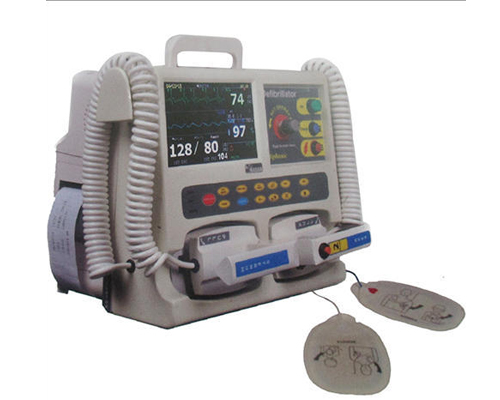
The Defibrillator is a life-saving medical device used to deliver an electric shock to the heart in cases of life-threatening arrhythmias, such as ventricular fibrillation or pulseless ventricular tachycardia. By restoring a normal heart rhythm, defibrillators play a critical role in emergencies, such as cardiac arrest, and are widely used in hospitals, ambulances, and public spaces. The device can be used in both manual and automatic modes, depending on the situation and healthcare provider’s preference.
Key Features:
- Shock Delivery: The primary function of a defibrillator is to deliver a controlled electric shock to the heart, effectively resetting its electrical activity and restoring a normal rhythm. The shock is delivered through pads or paddles placed on the chest, ensuring the best outcome for the patient.
- Automatic and Manual Modes: Modern defibrillators offer both automatic (AED) and manual modes. The automatic mode analyzes the heart’s rhythm and automatically delivers a shock when necessary, making it suitable for use by non-medical personnel. The manual mode is typically used by trained healthcare providers who need to adjust the shock parameters based on the patient’s condition.
- Real-Time Monitoring: Defibrillators are equipped with real-time ECG monitoring to assess the heart’s rhythm. This feature ensures that healthcare providers can make informed decisions on whether a shock is needed and assess the effectiveness of the shock after delivery.
- Clear Audio and Visual Cues: To guide both medical professionals and laypersons, defibrillators provide clear, easy-to-follow audio and visual instructions. This feature enhances ease of use, especially in high-stress emergency situations, ensuring the right steps are taken to save the patient’s life.
- Battery and Power Management: Defibrillators are designed with reliable battery systems that ensure the device remains functional during emergencies. Most models have a long battery life and include a self-testing mechanism that alerts the operator to any potential issues, ensuring the device is always ready for use.