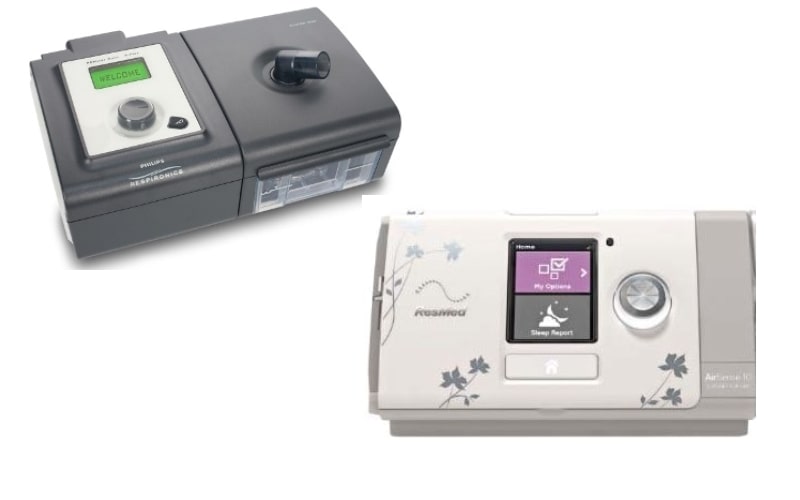
BIPAP / CPAP MACHINE
About the Product :
The BiPAP (Bilevel Positive Airway Pressure) and CPAP (Continuous Positive Airway Pressure) machines are essential respiratory support devices designed to help patients with sleep apnea, chronic obstructive pulmonary disease (COPD), and other respiratory conditions. These machines ensure the continuous flow of air to keep the airways open and improve oxygenation. While both devices serve the same purpose, they differ in their functionality and application.
Key Features:
- Continuous vs. Bilevel Pressure: The CPAP machine provides a single, constant air pressure throughout the night, whereas the BiPAP machine offers two pressure levels—one for inhalation (IPAP) and a lower one for exhalation (EPAP). This dual pressure setting in BiPAP offers enhanced comfort, especially for patients who find it difficult to exhale against the continuous pressure of a CPAP.
- Comfort and Breathability: BiPAP machines improve the breathing experience by lowering the pressure during exhalation, which makes it easier for the patient to breathe out. In contrast, CPAP machines maintain a constant pressure, which can be less comfortable for some users, especially those with complex respiratory conditions.
- Adaptability to Severe Conditions: BiPAP is ideal for patients with more complex conditions like COPD, central sleep apnea, or severe obstructive sleep apnea, where higher or lower pressure levels are required. CPAP, however, is typically suited for those with mild to moderate sleep apnea and simpler breathing needs.
- Advanced Features: BiPAP machines often include features like automatic pressure adjustments, humidification systems, and better leak detection, allowing for more personalized and efficient therapy. While CPAP machines may have auto-adjusting features (Auto CPAP), they generally have fewer advanced settings compared to BiPAP devices.
- Cost and Accessibility: CPAP machines are more affordable and widely accessible, making them a more common choice for general sleep apnea treatment. On the other hand, BiPAP machines tend to be more expensive due to their advanced technology and dual pressure capabilities, making them more suitable for patients with specialized needs.