
DR DIGITAL RADIOGRAPHY
The Digital Radiography (DR) System is a modern form of X-ray imaging that uses digital detectors to capture and display images. Unlike traditional film-based radiography, DR systems directly convert X-ray energy into digital signals, producing immediate, high-quality images. This advanced technology offers faster processing times, reduced radiation exposure, and the ability to manipulate images for more accurate diagnoses. DR is commonly used in various healthcare settings for a wide range of diagnostic applications, including musculoskeletal, chest, and abdominal imaging.
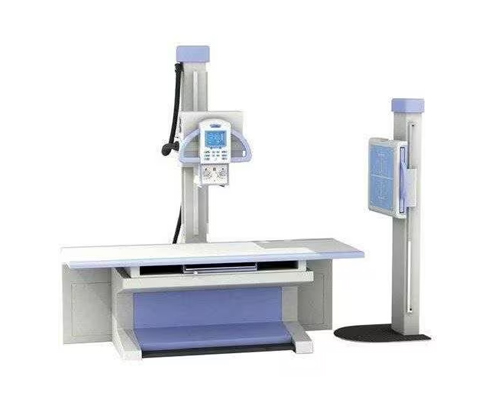
Key Features:
- Instant Image Display: Unlike conventional X-ray systems that require film development, DR systems provide immediate image results. The digital detectors capture X-ray data and immediately convert it into digital images that can be displayed on a monitor, allowing healthcare professionals to quickly analyze and diagnose conditions.
- High-Resolution Imaging: DR systems offer superior image quality with high resolution, providing clear, detailed visuals of bones, tissues, and organs. This allows for better diagnosis and treatment planning, particularly in complex cases where high image clarity is critical.
- Reduced Radiation Exposure: DR systems optimize radiation doses, ensuring that patients receive the minimum necessary exposure while maintaining image quality. This feature is especially important for patients who may require multiple imaging sessions or for sensitive populations, such as children or pregnant women.
- Efficient Workflow: With digital images, there is no need for film processing or storage, which significantly reduces the time and space required for managing images. The images can be easily stored, retrieved, and shared electronically, improving workflow efficiency in radiology departments and ensuring quicker access to patient records.
- Image Manipulation and Enhancement: DR systems allow healthcare providers to adjust and enhance images digitally. The ability to zoom, adjust contrast, and apply filters means that important details can be made clearer, helping with the diagnosis of conditions that might be missed with traditional film-based imaging.